In 2013 a 27-year-old made a movie about a young man killed by a transit cop on a train platform. No superhero, no franchise, no safety net — just Oscar Grant, the last day of his life, and Michael B. Jordan playing him like someone we already loved.
*Fruitvale Station* won the Grand Jury Prize and the Audience Award at Sundance that year. Ryan Coogler has been collecting on that first bet ever since.
## The through-line is trust
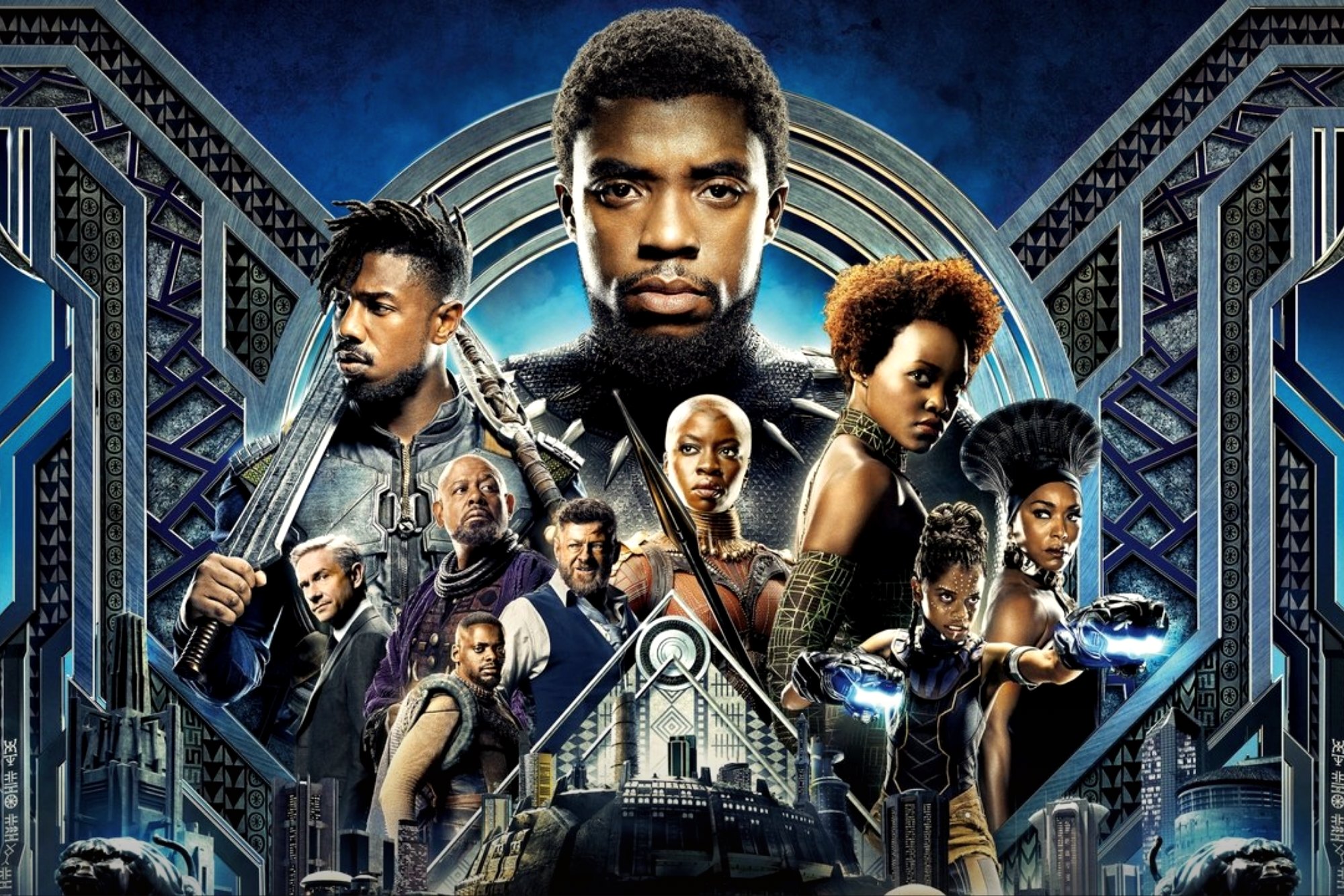
Look at the arc. *Fruitvale Station* (2013). *Creed* (2015), which reached into a tired franchise and found a whole new heart in Adonis. *Black Panther* (2018), the first superhero film ever nominated for Best Picture, a movie that won Ruth E. Carter and Hannah Beachler their Oscars — the first Black artists to win in Costume Design and Production Design — and made Wakanda feel less like a set than a promise.
Then, after all that leverage, Coogler used it to go back to the beginning: an original film, no I.P., no cape. *Sinners* (2025) is a period vampire story set in the Jim Crow South, and it is the most personal swing he's taken since that train platform.
## He kept casting the same faith
Michael B. Jordan has been in the room for almost all of it — Grant, Creed, Killmonger, and now the twin brothers Smoke and Stack. That's not nostalgia. That's a director who found a collaborator he believed in and refused to trade him for a bigger name every time the budget grew.
And the more clout Coogler earned, the more he spent it on ownership instead of comfort. He fought to make *Sinners* on his terms, negotiating to hold onto the film itself rather than hand it over and walk away — a rare thing for a Black filmmaker inside a major studio, and a quiet argument that the people who make the culture should get to keep a piece of it.
## Why it matters here
We talk a lot on this site about scores earned and never bought. Coogler's whole career is that idea in motion. He never took the shortcut, never let a studio flatten the specificity out of a story to widen the audience — and the audience came anyway, in record numbers, precisely *because* he trusted them to keep up.
Every film was a bet that we would show up for something made with our full complexity intact. We keep proving him right.