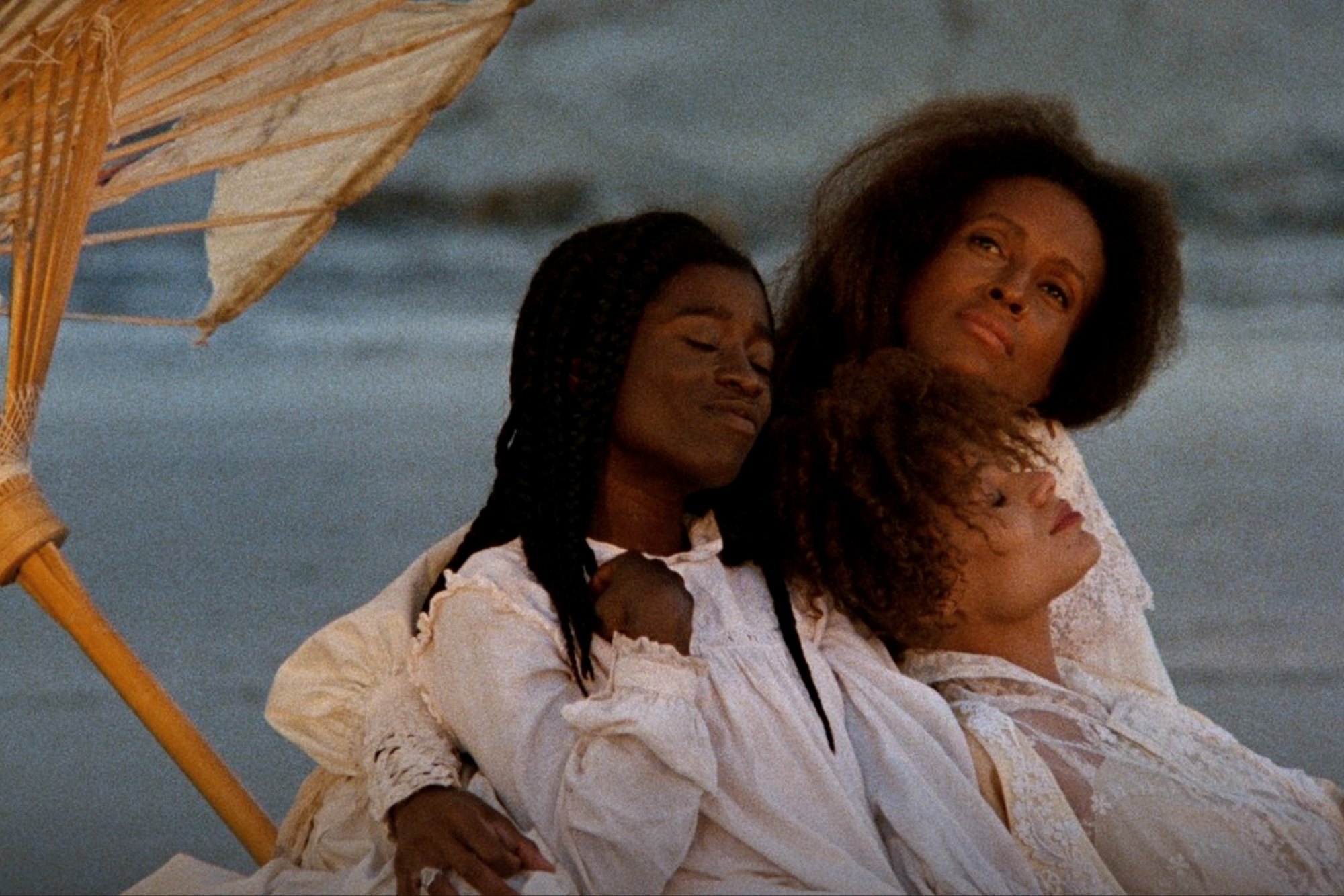
Try to stream *Daughters of the Dust* tonight. Some months you can; some months it's gone, shuffled off a service in a licensing reshuffle nobody announced. For a film this important, that should be a scandal. Mostly it's just Tuesday.
## What we're at risk of losing
Julie Dash's *Daughters of the Dust* (1991) was the first feature by a Black American woman to get a general theatrical release in this country. It is a landmark — visually, spiritually, historically — and when Beyoncé made *Lemonade* twenty-five years later, its fingerprints were all over it. It took a full restoration by a boutique distributor in 2016 to pull the film back from the edge of simply being unavailable.
That's the pattern. The films that get preserved, remastered, and kept one click away are rarely ours first. Kasi Lemmons's *Eve's Bayou*, one of the highest-grossing independent films of its year, spent long stretches being weirdly hard to find. Whole runs of Black independent cinema live on out-of-print discs and grainy uploads because no algorithm decided they were worth the shelf space.
## Streaming was never a library
We were sold a fantasy: everything, forever, for a monthly fee. What we actually got is a rental counter that rearranges itself in the dark. A title is there until a contract lapses, and then it isn't, and no one who loved it gets a vote. Films with big franchises behind them get protected. Films that represent a specific community's memory get treated as inventory.
For a people whose history has been erased, rewritten, and locked away before, "you can watch it until we quietly pull it" is not good enough.
## Why we keep the lights on
This is the unglamorous reason a curated catalog matters. Not to compete with anybody's queue, but to make sure the films are *findable* — named, dated, credited, pointed to wherever they actually live this week. A place that remembers a movie exists even when the platforms forget.
Keeping track of our own work is not nostalgia. It's maintenance. Somebody has to write down where the culture is kept, or one day we'll go looking for it and the shelf will be empty.