Nobody at the cookout is putting on a Best Picture winner. Somebody's uncle has the remote, and by the second plate the TV is playing *Friday* — again — and every person in the room can say the lines before the actors do.
That's not a lower shelf of cinema. That's the shelf that survived.
## The list writes itself
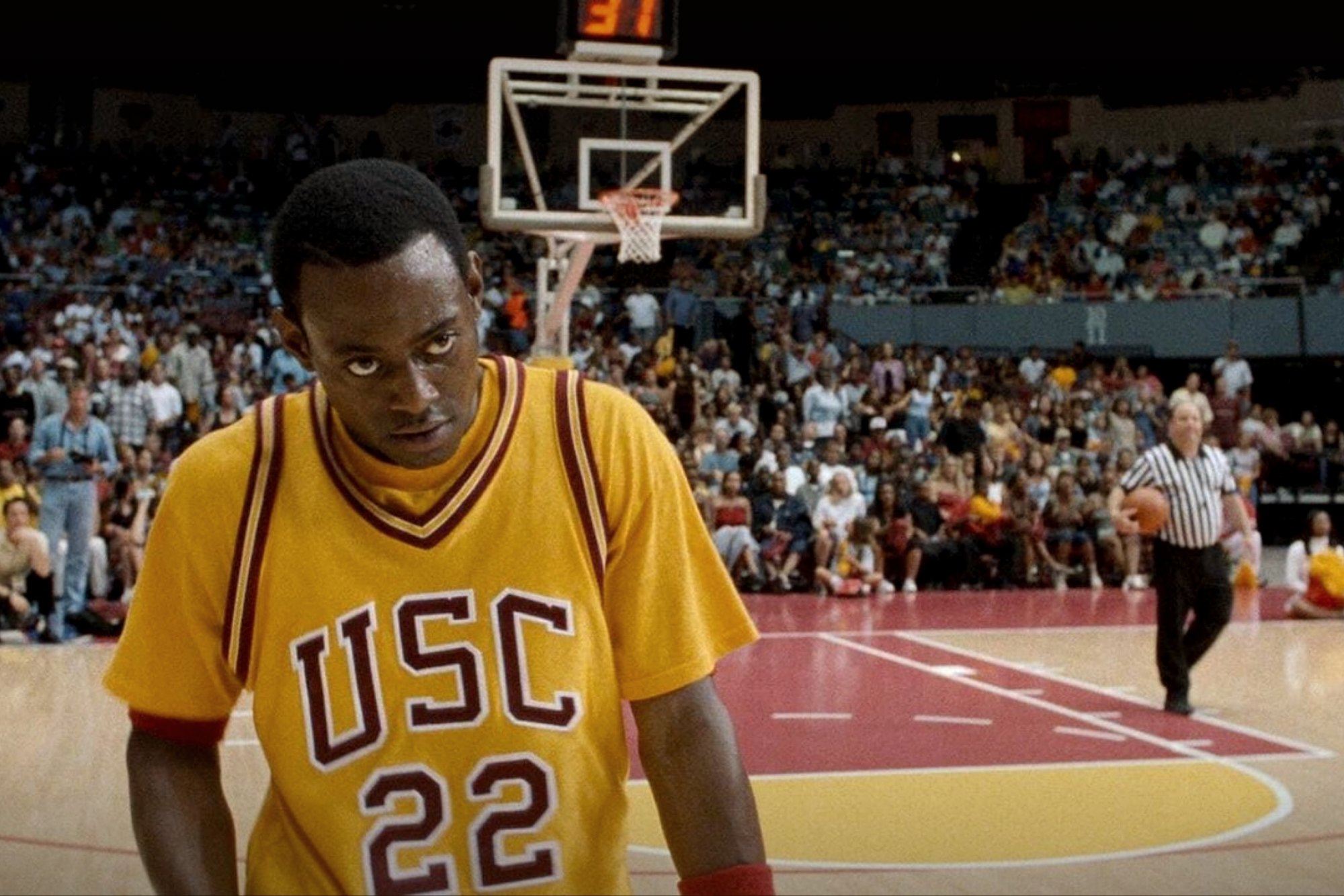
You know it without being told. *Friday* (1995). *Love & Basketball* (2000). *The Best Man* (1999). *Love Jones* (1997). *Poetic Justice* (1993). *Brown Sugar* (2002). *Coming to America* (1988), which is basically a national holiday at this point. These are the films that don't get the retrospectives and the criterion boxes, and they are, by a wide margin, the most *watched* films we have.
Rewatchability is a kind of greatness we don't take seriously enough. Anybody can hold your attention once. These hold it for thirty years.
## Comfort is a craft
It is genuinely hard to make something people want to live inside. The cookout canon runs on a specific chemistry — a cast that feels like people you actually know, dialogue with real rhythm, a world where Black life is just *life* and not a case study. *The Best Man* got a whole ensemble to feel like your slightly-too-messy friend group. *Brown Sugar* made loving hip-hop and loving a person the same sentence.
None of that is accidental, and none of it is easy. We just tend to call it "fun" and move on, as if fun were the opposite of accomplished.
## Why we shelve them with respect
On Well Seasoned these titles sit next to the heavy hitters on purpose. A canon that only honors the films that made you cry is a canon that's ashamed of joy. The movies that raised us, that play at every graduation and repast and Sunday, earned their spot the hard way — one living room at a time.
Pull up a chair. Somebody's about to quote the whole first act.