Every few years somebody announces that Black horror has *arrived*, like we wandered into the genre by accident and got lucky. *Get Out* clears a quarter of a billion dollars on a $4.5 million budget, Jordan Peele becomes the first Black writer to win the Academy Award for Original Screenplay, and the trade papers suddenly discover that Black folks can be scared — and scary — on camera.
But the door Peele walked through in 2017 was one we built ourselves, a long time ago.
## We were never guests here
Go back to 1973 and Bill Gunn's *Ganja & Hess* — a vampire film that is really about addiction, faith, and assimilation, so strange and so Black that the money men recut it and buried it. It played Cannes anyway. A year before that, *Blacula* took the oldest monster in the European canon and gave him a name, a love story, and a grievance rooted in the slave trade. By 1992, *Candyman* had turned a Cabrini-Green housing project into a haunted house and made the ghost a lynching victim — the horror wasn't the hook, it was the history the hook was hiding.
These weren't accidents. They were arguments. The genre has always been the safest place to say the loudest thing, because you can bury a truth inside a monster and slip it past the people it indicts.
## The metaphor is the point
What Peele understood — and what *Us* and *Nope* kept insisting — is that horror lets you literalize a feeling you've spent your whole life being told you imagined. The sunken place is not a twist. It is Tuesday.
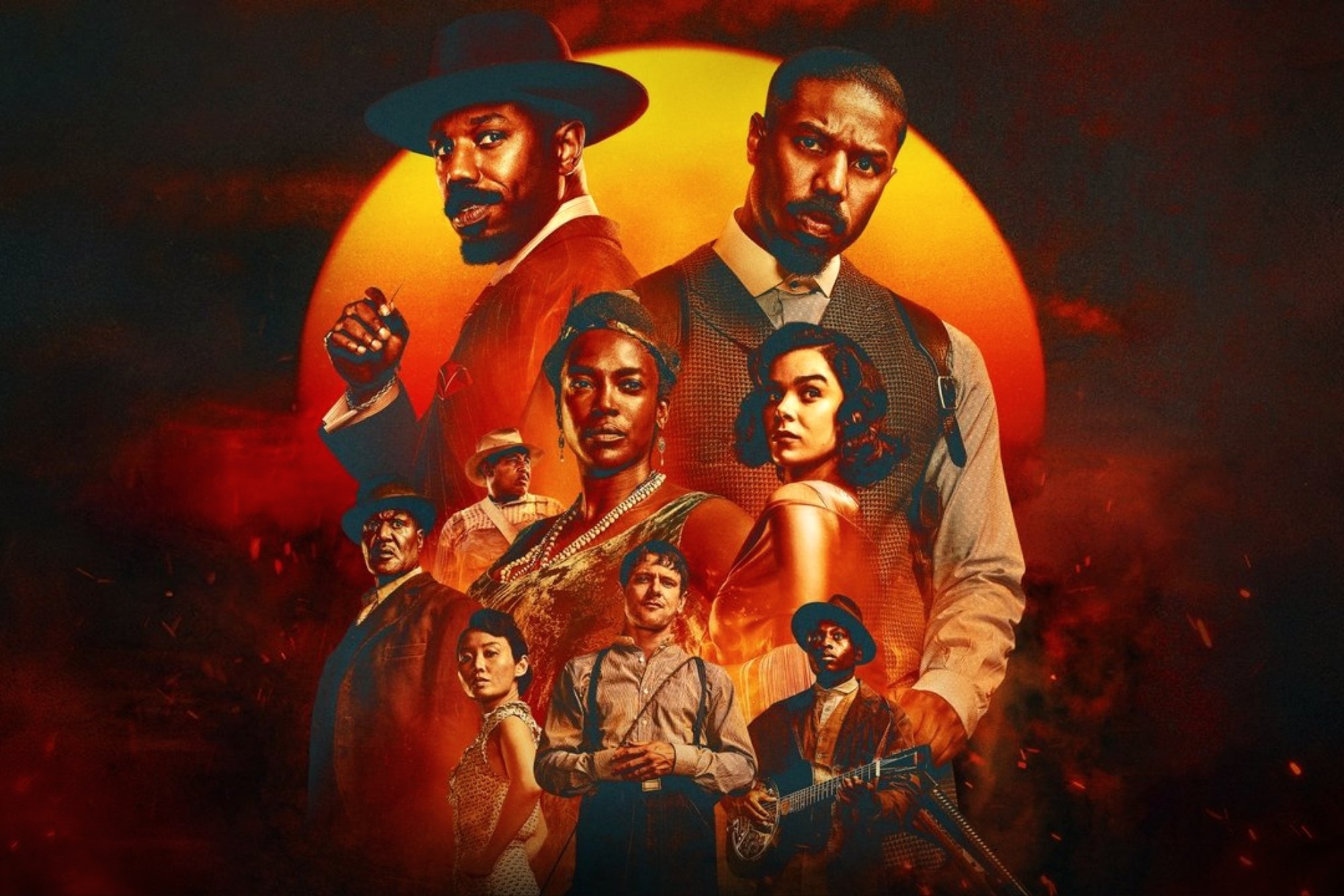
That lineage runs straight into *Sinners*. Ryan Coogler set his vampires down in the 1932 Mississippi Delta on purpose. The thing that comes for that juke joint doesn't just want blood — it wants the music, the memory, the culture, and it will wear a friendly face to get in the door. If you have ever watched something you loved get discovered, extracted, and sold back to you, you already know exactly what that monster is.
## Stop calling it a moment
A moment ends. This doesn't. From Gunn to Kasi Lemmons's *Eve's Bayou* to DaCosta's *Candyman* to Coogler, there is one unbroken conversation about who gets to be afraid, who gets to survive the third act, and what our stories are worth when someone else holds the camera.
The genre was always ours. We're just finally the ones getting paid to admit it.